What Is Beef Tallow? Nutritional Benefits & Why It’s Better Than Seed Oils
-
By rootallow
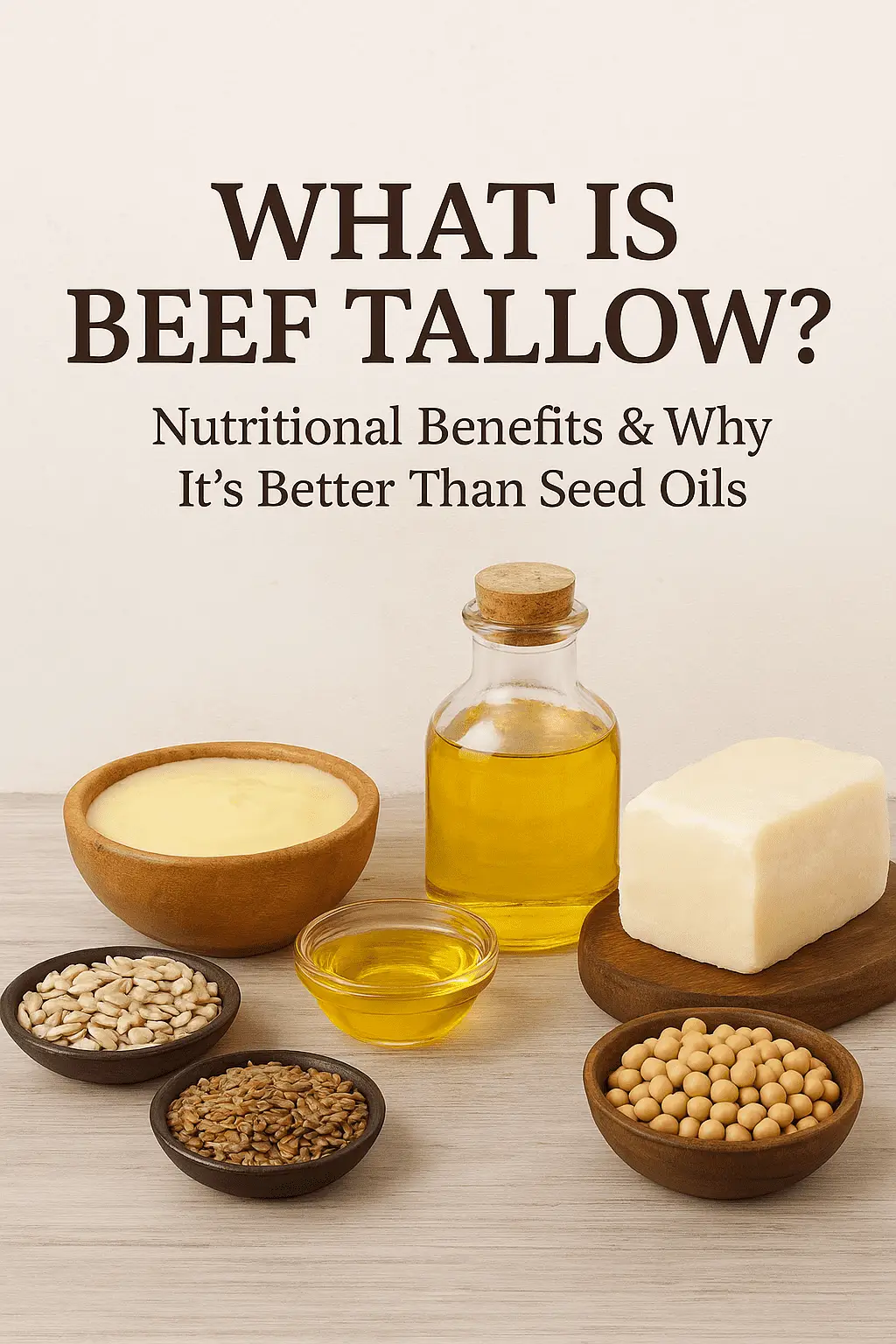
For decades in Pakistan, beef tallow was a staple in every kitchen. Our grandparents cooked with it, preserved food in it, and even used it as a natural remedy. But over time, highly processed seed oils—like sunflower oil, canola oil, soybean oil, and corn oil—replaced these traditional fats due to aggressive marketing and modern food trends. Today, however, the conversation is shifting again. Many people are asking: What is beef tallow, and why is it considered healthier than seed oils?
This guide breaks down the nutritional benefits of beef tallow, explains how it compares to modern seed oils, and highlights why more Pakistanis are returning to this ancestral, natural source of fat.
What Is Beef Tallow?
Beef tallow is simply rendered fat from grass-fed or pasture-raised cows. When heated slowly, the pure fat separates from the meat and connective tissues, resulting in a clean, nutrient-rich cooking fat. Unlike seed oils—which require heavy processing, chemical solvents, bleaching, and deodorizing—beef tallow is completely natural.
It contains:
- Vitamins A, D, E, K (fat-soluble nutrients essential for immunity, hormones, and skin health)
- Stearic acid, a fatty acid associated with energy, metabolism, and heart health
- Conjugated Linoleic Acid (CLA), known for anti-inflammatory and antioxidant benefits
- Saturated fats, which are stable and ideal for high-heat cooking
This makes beef tallow an excellent natural cooking fat for those who want to avoid artificial and chemical-laden alternatives.
Why Beef Tallow Is Better Than Seed Oils Nutritionally
1. Seed Oils Are Ultra-Processed — Tallow Is Natural
The biggest contrast lies in processing.
Seed oils like sunflower, soybean, and canola oils undergo:
- High heat extraction
- Hexane chemical treatment
- Bleaching
- Deodorizing
This heavy processing destroys nutrients and creates harmful oxidation byproducts. Beef tallow, on the other hand, requires no chemicals, making it a cleaner and more natural option. This aligns with Pakistan’s growing interest in natural nutritional choices and traditional foods.
2. Tallow Is Heat-Stable — Seed Oils Break Down Into Toxins
Most Pakistani cooking involves frying, sautéing, or high-heat tarka. Seed oils are not stable at high temperatures, and their fragile polyunsaturated fats break down into:
- Free radicals
- Aldehydes
- Carcinogenic compounds
In contrast, beef tallow contains mostly stable saturated fats, meaning it:
- Does not oxidize easily
- Does not produce toxic smoke
- Retains nutrients even when heated
- Provides cleaner, safer cooking
For everyday Pakistani meals—parathas, desi ghee dishes, karahi, aloo fry—tallow is one of the best natural fats you can use.
3. Supports Hormones, Energy & Metabolism
Seed oils are extremely high in omega-6 fatty acids, which contribute to inflammation, hormonal imbalance, and metabolic problems when consumed in excess.
Beef tallow, however:
- Contains healthy saturated fats that support hormone production
- Provides a long-lasting energy source
- Helps stabilize blood sugar
- Supports metabolism and fat burn
Many people switching from seed oils to tallow report improvements in:
- Energy levels
- Digestion
- Skin quality
- Mental clarity
This is why ancestral diets across the world—and historically in Pakistan—prioritized natural animal fats.
4. Rich in Fat-Soluble Vitamins
Beef tallow naturally contains vitamins:
- A (immune and vision support)
- D (bone and mood health)
- E (antioxidant protection)
- K2 (heart and calcium metabolism)
Seed oils provide none of these essential vitamins unless artificially fortified. Tallow’s nutrient density makes it one of the best natural sources of nutrition in traditional diets.
5. Better for Gut Health
The gut thrives on natural saturated fats—not heavily processed oils.
Beef tallow supports:
- Healthy digestion
- Strong gut lining
- Growth of beneficial bacteria
- Better nutrient absorption
Seed oils contribute to inflammation in the digestive system, causing issues like bloating, acid reflux, and slow metabolism.
Why Pakistanis Are Returning to Beef Tallow
With rising awareness about food quality, many Pakistani families are consciously trying to:
- Reduce chemical exposure
- Eat unprocessed, traditional foods
- Avoid industrial seed oils
- Improve metabolic and hormonal health
Beef tallow fits perfectly into this shift. It’s:
- 100% natural
- Nutrient-rich
- Free from chemicals, hexane, and preservatives
- A traditional fat used in our culture for generations
It’s not a trend—it’s a return to ancestral nutrition.
Final Thoughts: Tallow Is the Natural Fat Your Body Recognizes
When comparing beef tallow and seed oils nutritionally, the difference is clear:
- Tallow is natural, stable, nourishing, and traditional.
- Seed oils are ultra-processed, unstable, and inflammatory.
If you are trying to eat more naturally, avoid chemicals, and choose healthier fats for your family, beef tallow is one of the best alternatives to seed oils.